When High Demand Is Bad
When High Demand Is Bad
If you are a parent you have likely experienced a situation where your child wants a toy that is very hard to get. The level of difficulty can range from a pain in the neck to an outright toy craze where buying plutonium on the black market would be easier than getting what you need. This is not a new thing.
Back in 1982, toy company Coleco introduced the Cabbage Patch Kids. The dolls were so popular that riots broke out at malls around the country. Over 2.5 million units were sold in the first year.
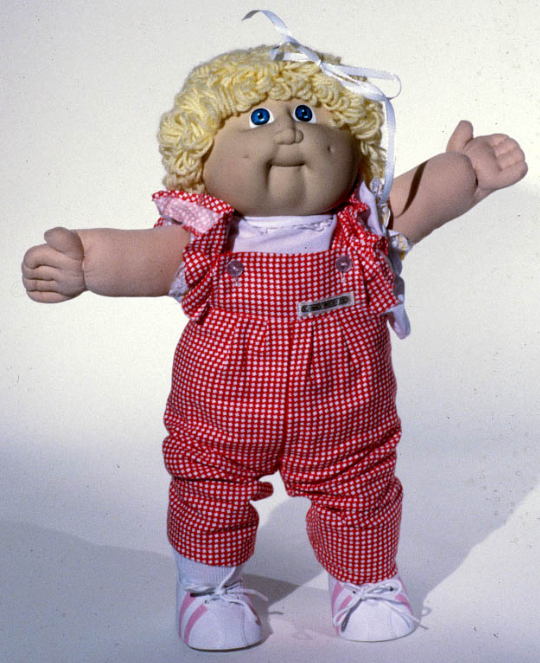
Cabbage Patch Doll (kinda scary)
Coleco road the demand wave as long as possible, but when it began to fade they tried some weird spin-off versions that ended with a snack time version whose animatronic jaw would munch on children’s hair instead of fake carrots.
This isn’t to say that the demand has disappeared. There is a vintage Cabbage Patch Doll on eBay right now for 30k. Great if you have one. Not so great if your kid wants to go retro. As you can see, high demand is not always a good thing.
Why You Should Avoid Shiny Objects When Acquiring A Business
There is nothing hotter in the business space right now than Artificial Intelligence (AI). Everywhere you turn online there is a story talking about how a company is leveraging the tech to make some service, offer, product, or experience the best thing since sliced bread. Much like earlier tech bubbles, some of these companies are being bought and sold for absurd prices.
Although it may seem like a good idea to get in on the wave, watch out. Unless you have a lot of capital to work with you will get crushed by the big boys. There is also the start-up risk problem given the tech is so new (90% of new businesses fail within 5 years). Just because demand is sky-high does not mean something is a good fit for your portfolio. A better approach is to look for low-demand businesses where there is a lot of upside for growth.
Low Demand Companies And Cheap Efficiencies
My main strategy for looking for deals is to look for low-demand businesses with high value. To a lot of people, this may sound too good to be true. It’s not. There are a ton of business owners retiring right now with profitable businesses that have to close their doors because they can’t find buyers. This means that there is literally ZERO demand for their business. These types of situations can be discovered with a little work.
When you find a few deals like this you then look for which ones have the biggest potential for growth. I use a very simple framework when evaluating businesses. Basically, I look at what the current owner doesn’t know or isn’t doing, that is limiting the business’s current growth profile. I can figure this out by looking at the numbers.